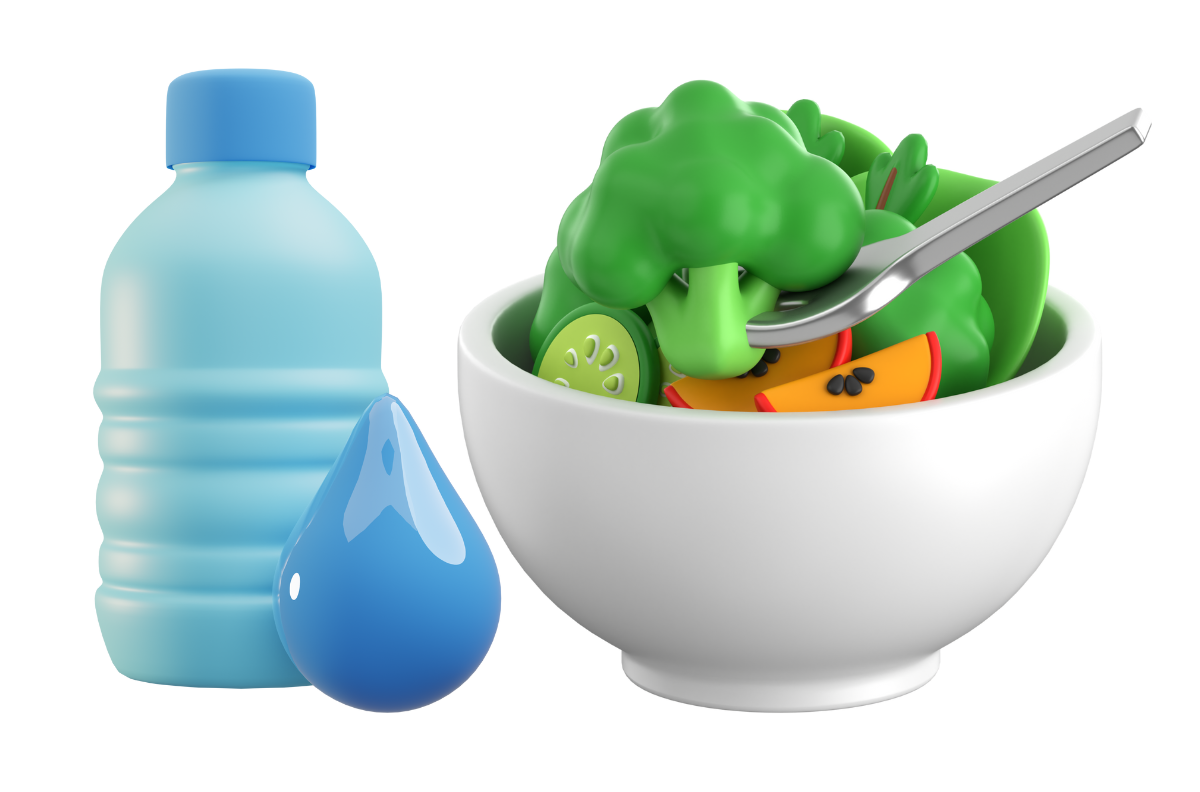
✅ Paleo Diet Food List: What’s Allowed
Below is a comprehensive breakdown of foods that fit within Paleo principles.
🥩 1. Meat (High Quality Preferred)
Animal protein is central to Paleo eating.
Best Choices:
Why?
These provide:
-
Complete protein
-
Iron
-
Zinc
-
B vitamins
-
Essential amino acids
Quality matters — grass-fed and pasture-raised options are ideal when possible.
🍗 2. Poultry
-
Chicken
-
Turkey
-
Duck
-
Quail
Choose pasture-raised when possible.
🐟 3. Fish & Seafood
-
Salmon
-
Sardines
-
Mackerel
-
Tuna
-
Shrimp
-
Shellfish
Fatty fish are especially valuable due to omega-3 fatty acids.
🥬 4. Vegetables (Non-Starchy Emphasized)
Vegetables are encouraged and should make up a large portion of meals.
Examples:
-
Spinach
-
Kale
-
Broccoli
-
Zucchini
-
Bell peppers
-
Asparagus
-
Mushrooms
-
Carrots
-
Cabbage
Starchy Vegetables (Allowed in Moderation)
-
Sweet potatoes
-
Pumpkin
-
Butternut squash
These are especially useful for active individuals.
🍎 5. Fruits
Fruits are allowed, but portion awareness matters.
-
Berries
-
Apples
-
Oranges
-
Bananas
-
Mango
-
Pineapple
-
Grapes
Best practice: focus on whole fruit, not juices.
🥑 6. Healthy Fats
Natural fats are a core part of Paleo.
Approved Fats:
Paleo is not a low-fat diet — it prioritizes unprocessed fat sources.
🌰 7. Nuts & Seeds
-
Almonds
-
Walnuts
-
Macadamia nuts
-
Pecans
-
Pumpkin seeds
-
Sunflower seeds
-
Chia seeds
Note: Avoid heavily salted or sugar-coated varieties.
🥚 8. Eggs
Eggs are fully Paleo-approved, especially pasture-raised.
They’re:
-
Nutrient-dense
-
Affordable
-
High in protein
-
Versatile
❌ Paleo Diet Food List: What’s Forbidden
Now let’s cover what’s removed — and why.
🚫 1. Grains
All grains are excluded.
Why?
Grains entered the human diet relatively recently (~10,000 years ago). Paleo theory argues that they may contribute to:
-
Blood sugar spikes
-
Gut irritation
-
Overconsumption
-
Modern metabolic issues
🚫 2. Legumes
-
Beans
-
Lentils
-
Chickpeas
-
Peanuts
-
Soy
Why?
Legumes contain compounds like lectins and phytates, which some Paleo proponents argue may interfere with digestion or nutrient absorption.
This is one of the more debated exclusions in modern nutrition.
🚫 3. Dairy
Traditional Paleo excludes dairy entirely.
-
Milk
-
Cheese
-
Yogurt
-
Butter
Why?
Dairy was introduced after animal domestication. Some individuals also experience lactose intolerance or dairy-related inflammation.
🚫 4. Refined Sugar & Processed Foods
-
Soda
-
Candy
-
Pastries
-
Breakfast cereals
-
Industrial snack foods
-
Artificial sweeteners
These are removed due to:
-
Blood sugar disruption
-
Additives
-
Lack of nutrient density
🚫 5. Industrial Seed Oils
-
Soybean oil
-
Corn oil
-
Canola oil
-
Sunflower oil (refined)
-
Vegetable oil blends
These oils are highly processed and high in omega-6 fatty acids.
Paleo Allowed vs Forbidden — Quick Reference Table
| Category |
Allowed |
Forbidden |
| Meat |
Beef, lamb, poultry |
Processed deli meats |
| Fish |
Salmon, sardines |
Breaded fish |
| Vegetables |
All non-starchy |
None |
| Fruits |
Whole fruits |
Fruit juice |
| Grains |
None |
All grains |
| Legumes |
None |
Beans, lentils, soy |
| Dairy |
None |
Milk, cheese |
| Fats |
Olive oil, coconut oil |
Seed oils |
| Sugar |
Natural (minimal) |
Refined sugar |
Gray Area Foods (Modern Paleo Debates)
Some foods cause confusion.
🧈 Butter or Ghee?
Strict Paleo excludes dairy.
However, some modern versions allow grass-fed ghee.
🍫 Dark Chocolate?
Strictly not Paleo, but many include 85%+ dark chocolate occasionally.
☕ Coffee?
Technically not Paleolithic — but commonly consumed in modern Paleo.
The strictness level often depends on personal goals.
Sample Paleo Day of Eating
Breakfast:
Eggs, spinach, avocado
Lunch:
Grilled chicken, mixed greens, olive oil dressing
Snack:
Almonds & berries
Dinner:
Salmon, roasted broccoli, sweet potato
Simple. Whole. Unprocessed.
Common Beginner Mistakes
❌ Eating Too Much Fruit
Can increase sugar intake unintentionally.
❌ Relying on “Paleo Packaged Snacks”
Just because it says Paleo doesn’t mean it’s healthy.
❌ Undereating Carbs Completely
Active individuals may need sweet potatoes or fruit for energy.
❌ Ignoring Food Quality
Processed meats technically fit macros — but not Paleo principles.
Who Should Consider Paleo?
Paleo may benefit:
-
People with metabolic syndrome
-
Individuals looking to eliminate ultra-processed foods
-
Those exploring elimination-style eating
-
People sensitive to gluten or dairy
However, it may not be ideal for:
FAQ: Paleo Diet Food List
Is rice Paleo?
No — all grains are excluded in strict Paleo.
Are potatoes allowed?
White potatoes are debated.
Sweet potatoes are widely accepted.
Can I eat peanut butter?
No — peanuts are legumes. Almond butter is allowed.
Is honey allowed?
Yes, in small amounts. It’s a natural sweetener but still sugar.
Is Paleo low-carb?
Not necessarily. It removes grains and legumes, but fruits and starchy vegetables provide carbohydrates.
Final Thoughts
The Paleo Diet Food List: What’s Allowed vs Forbidden isn’t just about restriction — it’s about simplification.
Remove:
Focus on:
-
Whole foods
-
Quality protein
-
Natural fats
-
Vegetables
Whether you choose strict or flexible Paleo, the foundation is the same: eat real food, minimize processing, and align your diet with evolutionary principles.
In the upcoming articles in this cluster, we’ll explore:
This is just the beginning.
Note from the Writer — Alireza Mahlooji
Paleo works best when approached with intelligence, not extremism. The goal isn’t to live like a caveman — it’s to remove modern dietary chaos and return to simplicity. Focus on food quality, listen to your body, and build a version of Paleo that supports long-term health, not short-term obsession.
Helpful Links
Introduction to Paleo & Food Lists of what to eat and what to avoid!
Paleo Diet Food List: What You Can (and Can’t) Eat