





Metabolism speed affects your ideal diet choice more than most people realize. If you’ve ever followed a popular diet that worked wonders for someone else—but left you tired, hungry, or stuck—you’re not alone. The missing piece is often how fast or slow your metabolism really is.
At My Diet Way, we believe diets should fit people, not the other way around. Your metabolism isn’t just a number—it’s the engine that determines how your body uses food, burns energy, and responds to different eating patterns. Understanding it can completely change how you eat, lose weight, and feel every day.
In this in-depth guide, we’ll break down metabolism in simple, human terms and show you how to choose a diet that actually works for you—not against you.
What Is Metabolism Speed (In Plain Language)?
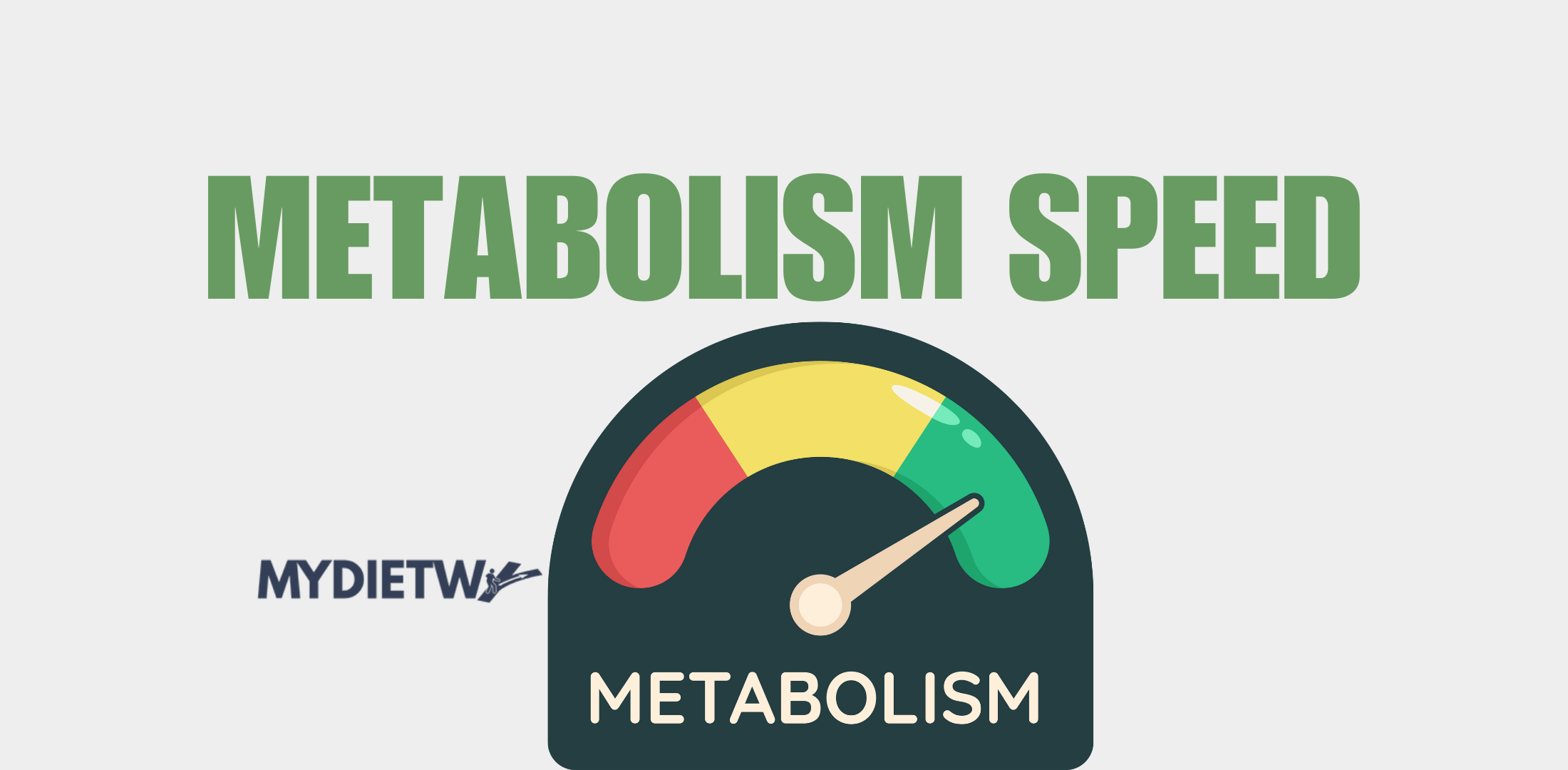
Metabolism speed refers to how quickly your body converts food into energy. This includes:
-
Burning calories at rest
-
Digesting and absorbing nutrients
-
Using energy during movement and exercise
Some people naturally burn through calories faster, while others conserve energy more efficiently. Neither is “good” or “bad”—they just require different dietary strategies.
Basal Metabolic Rate (BMR) Explained
Your Basal Metabolic Rate (BMR) is the number of calories your body needs just to stay alive—breathing, pumping blood, repairing cells.
Factors that affect BMR include:
-
Age
-
Gender
-
Muscle mass
-
Genetics
-
Hormonal balance
Two people can eat the same meals and exercise the same amount—and still see very different results because their metabolism speeds are different.
Fast vs Slow Metabolism: What’s the Difference?
Signs of a Fast Metabolism
People with faster metabolisms often experience:
-
Difficulty gaining weight
-
Frequent hunger
-
High energy levels
-
Faster digestion
-
Stable blood sugar (but faster drops if meals are skipped)
Signs of a Slow Metabolism
A slower metabolism may show up as:
-
Easy weight gain
-
Feeling cold often
-
Fatigue
-
Slower digestion
-
Strong cravings, especially for carbs
Neither type is broken. The key is eating in alignment with your metabolism speed.
How Metabolism Speed Affects Your Ideal Diet Choice
Why One-Size-Fits-All Diets Fail
Many mainstream diets ignore metabolism differences. This is why:
-
Low-calorie diets exhaust fast metabolisms
-
High-carb diets overwhelm slow metabolisms
-
Long fasting harms some but helps others
Your metabolism determines:
-
How often you should eat
-
How many carbs you tolerate
-
How much protein you need
-
Whether fasting helps or hurts
Best Diet Approach for a Fast Metabolism
People with fast metabolisms need fuel consistency, not restriction.
Key Diet Principles
-
Eat more frequently
-
Focus on calorie-dense, whole foods
-
Balance carbs, protein, and fats
-
Avoid skipping meals
Ideal Macronutrient Balance
| Nutrient | Recommended Focus |
|---|---|
| Carbohydrates | Moderate to high |
| Protein | Moderate |
| Healthy Fats | Moderate to high |
You can also read these articles for better understanding
What is healthier for breakfast, Greek yogurt or eggs? + 10 answered Related Questions
Best Diet Comparison Chart: Pros, Cons & Results (2025 Guide)
Keto vs Vegan Diet ? 6 Proven Results That Reveal Which Diet Really Works in 2025
Ectomorph Body Type: The Practical Guide to Eating, Training, and Thriving
Foods That Support a Fast Metabolism
-
Oats and whole grains
-
Bananas, berries, apples
-
Lean proteins (eggs, chicken, fish)
-
Avocados, olive oil, nuts
-
Dairy or dairy alternatives
Common Diet Mistakes
-
Eating too little
-
Overusing intermittent fasting
-
Excessive cardio without enough calories
Fast metabolisms don’t need “less food”—they need better timing and balance.
Best Diet Approach for a Slow Metabolism
A slow metabolism responds best to blood sugar control and structure.
Key Diet Principles
-
Fewer refined carbs
-
Higher protein intake
-
Emphasis on fiber and whole foods
-
Strategic meal timing

Ideal Macronutrient Balance
| Nutrient | Recommended Focus |
|---|---|
| Carbohydrates | Low to moderate |
| Protein | High |
| Healthy Fats | Moderate |
Foods That Support a Slow Metabolism
-
Lean protein (fish, turkey, eggs)
-
Non-starchy vegetables
-
Legumes
-
Healthy fats (nuts, seeds, olive oil)
-
Low-glycemic fruits (berries)
Common Diet Mistakes
-
Grazing all day
-
Too many liquid calories
-
Over-restricting calories
Slow metabolisms thrive on stability, not starvation.
Meal Timing and Metabolism Speed
Does Eating Frequency Matter?
Yes—but differently for each metabolism type.
Fast Metabolism
-
Benefits from 4–6 meals per day
-
Prevents energy crashes
-
Supports muscle retention
Slow Metabolism
-
Does better with 3 structured meals
-
Avoids insulin spikes
-
Encourages fat burning
Intermittent Fasting: Who Should and Shouldn’t Try It?
Works Best For:
-
Slower metabolisms
-
Insulin resistance
-
People with stable energy levels
Can Be Problematic For:
-
Fast metabolisms
-
High stress individuals
-
People with blood sugar sensitivity
If fasting leaves you shaky, anxious, or exhausted—it’s not a discipline issue. It’s a metabolism mismatch.
Protein Intake and Metabolism Speed
Protein plays a major role in metabolism because it:
-
Preserves muscle mass
-
Increases calorie burn through digestion
-
Improves satiety
Protein Needs by Metabolism Type
| Metabolism Type | Protein Recommendation |
|---|---|
| Fast | Moderate, evenly spaced |
| Slow | Higher, front-loaded |
How Exercise Interacts With Metabolism and Diet
Fast Metabolism + Exercise
-
Strength training is essential
-
Too much cardio increases calorie deficit
-
Diet must support recovery
Slow Metabolism + Exercise
-
Combination of strength and low-intensity cardio
-
Muscle building boosts metabolic rate
-
Diet should support insulin control
Hormones, Stress, and Metabolism Speed
Metabolism is not just about calories—it’s deeply tied to hormones.
Key Hormones That Matter
-
Insulin – regulates blood sugar
-
Cortisol – stress hormone
-
Thyroid hormones – regulate metabolic rate
Chronic stress can slow metabolism even in naturally fast burners. This is why sleep, stress management, and recovery matter just as much as food choices.
Can You Change Your Metabolism Speed?
You can’t completely rewrite your genetics, but you can influence your metabolic efficiency.
What Helps Improve Metabolism
-
Building muscle
-
Eating enough protein
-
Reducing extreme dieting
-
Managing stress
-
Sleeping consistently
Small changes add up over time.
Practical Daily Diet Examples
Sample Day: Fast Metabolism
-
Breakfast: Oatmeal with nut butter and fruit
-
Snack: Greek yogurt with honey
-
Lunch: Chicken, rice, vegetables
-
Snack: Smoothie with protein
-
Dinner: Salmon, potatoes, salad
Sample Day: Slow Metabolism
-
Breakfast: Eggs with vegetables
-
Lunch: Grilled chicken salad with olive oil
-
Dinner: Fish, roasted vegetables
-
Optional snack: Nuts or berries
How My Diet Way Helps You Eat for Your Metabolism
At My Diet Way, we don’t believe in generic diet plans. We focus on:
-
Personal metabolism patterns
-
Real-life eating habits
-
Sustainable food choices
-
Long-term health—not quick fixes
Your diet should fit your body, lifestyle, and energy—not force you into constant struggle.
👉 Learn more at https://mydietway.com/
Frequently Asked Questions (FAQ)
How do I know if I have a fast or slow metabolism?
Look at how easily you gain or lose weight, your hunger patterns, energy levels, and how you respond to missed meals.
Is a slow metabolism a disadvantage?
No. It often responds very well to structured eating and strength training.
Can metabolism slow down with age?
Yes, mainly due to muscle loss and hormonal changes—but diet and exercise can offset much of this.
Do supplements speed up metabolism?
Most have minimal effects. Food quality, muscle mass, and lifestyle matter far more.
Should I eat fewer calories if my metabolism is slow?
Not drastically. Severe calorie cuts can slow metabolism further.
Final Thoughts: Eat With Your Metabolism, Not Against It
Understanding how metabolism speed affects your ideal diet choice is one of the most powerful steps you can take toward better health. When you stop fighting your body and start supporting it, eating becomes simpler, more enjoyable, and far more effective.
There is no perfect diet—only the right diet for your metabolism.
And at My Diet Way, that’s exactly what we help you find.