






The ketogenic diet is often reduced to one rule: keep carbs low. But there’s a growing debate that goes much deeper—clean keto vs dirty keto. Both can technically put you in ketosis, but do they deliver the same results long term?
Does food quality matter on keto?
Science—and real-world experience—says yes.
At My Diet Way, we teach Keto Diet Mastery, not shortcuts. This guide breaks down the real differences between clean and dirty keto, how each affects fat loss, hormones, inflammation, and sustainability, and how to choose the approach that actually works for your body.
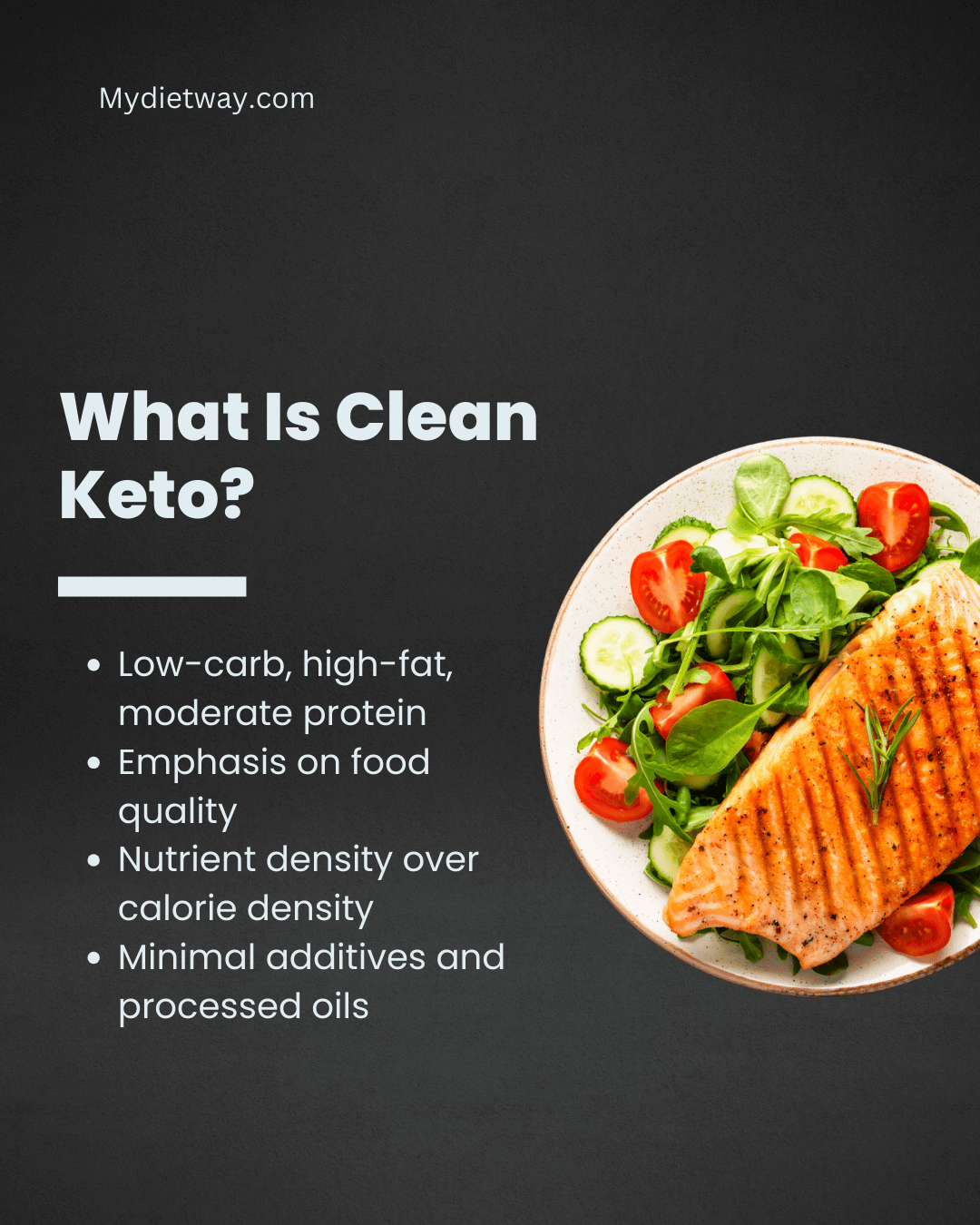
What Is Clean Keto?
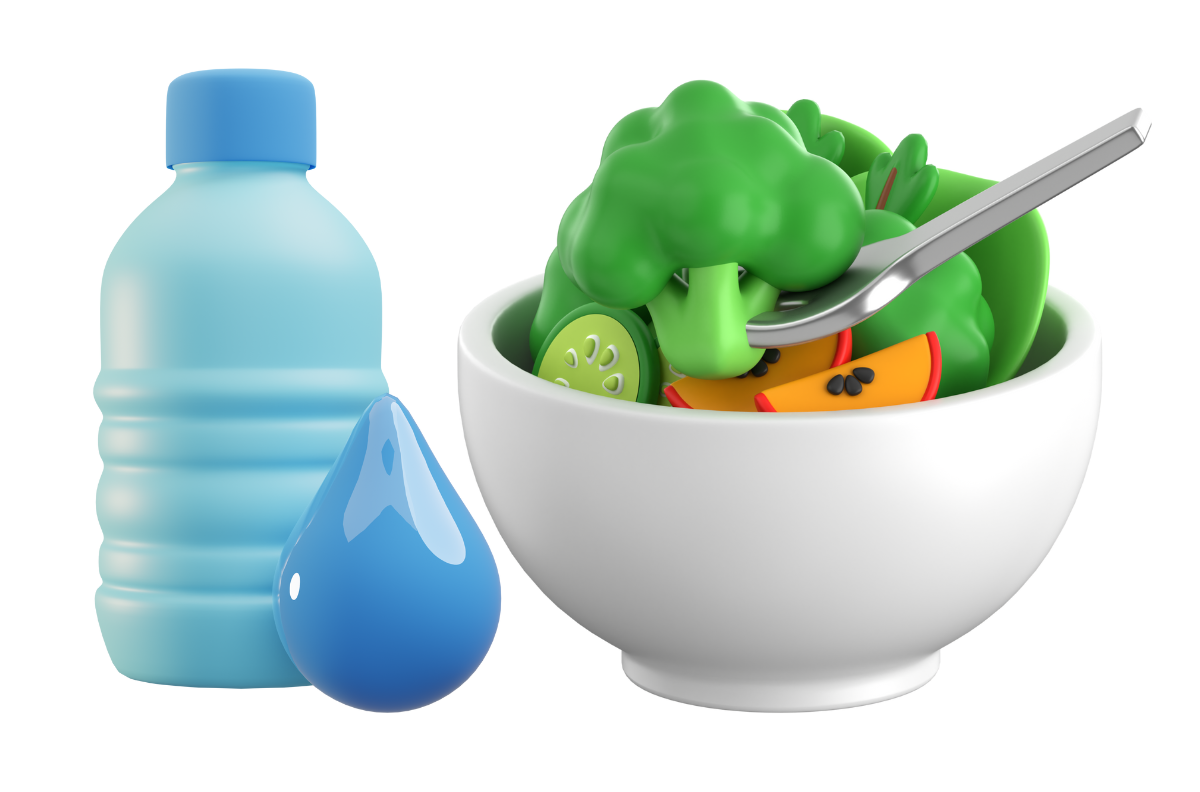
Clean keto focuses on whole, minimally processed foods while maintaining ketosis.
Clean Keto Core Principles
-
Low-carb, high-fat, moderate protein
-
Emphasis on food quality
-
Nutrient density over calorie density
-
Minimal additives and processed oils
Common Clean Keto Foods
-
Eggs, fish, poultry, grass-fed meats
-
Avocados, olives, olive oil
-
Non-starchy vegetables
-
Nuts and seeds
-
Full-fat dairy (if tolerated)
Clean keto aims to support not just ketosis—but metabolic health.
Read this : The Complete Beginner’s Guide to the Keto Diet How It Works for Weight Loss
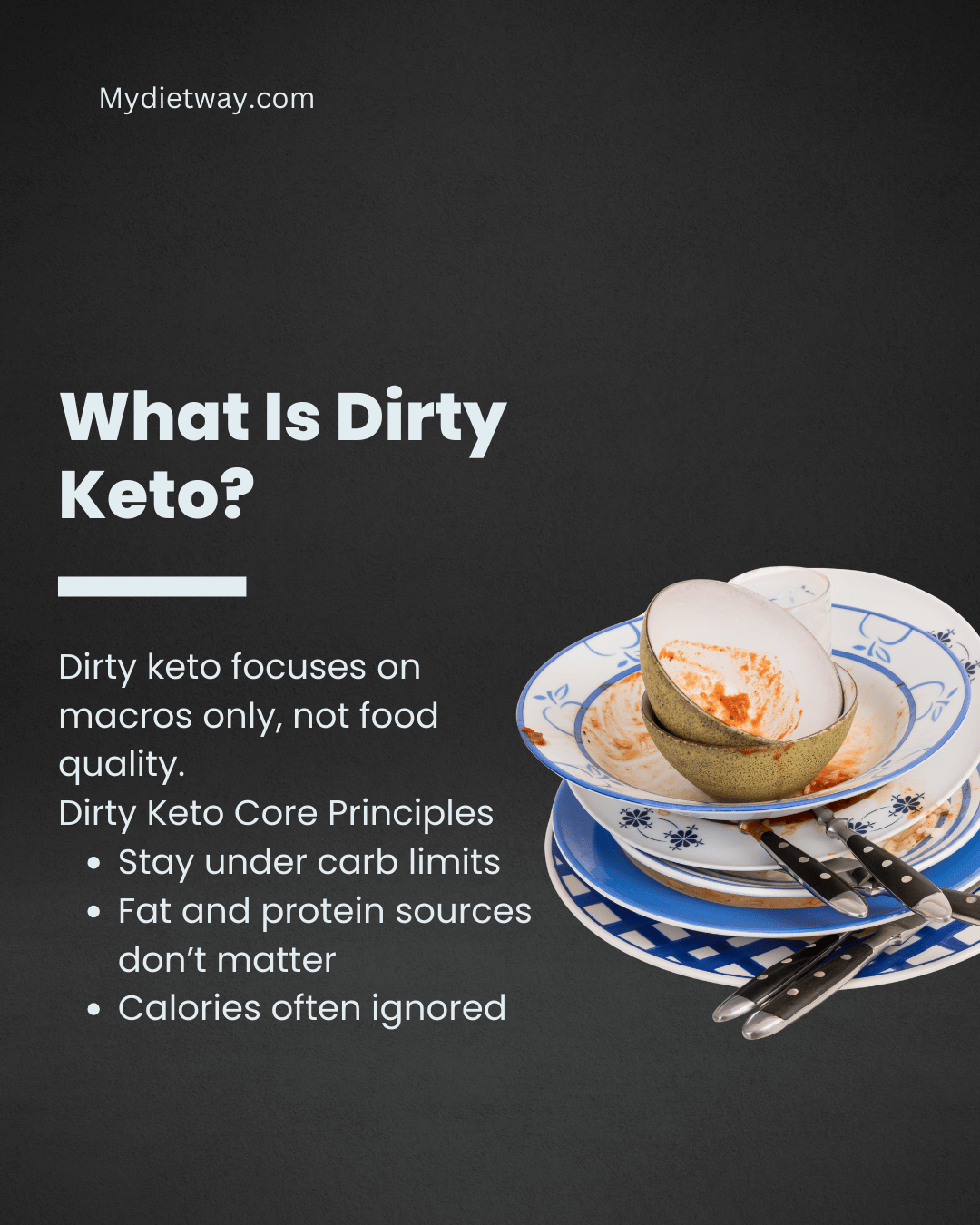
What Is Dirty Keto?
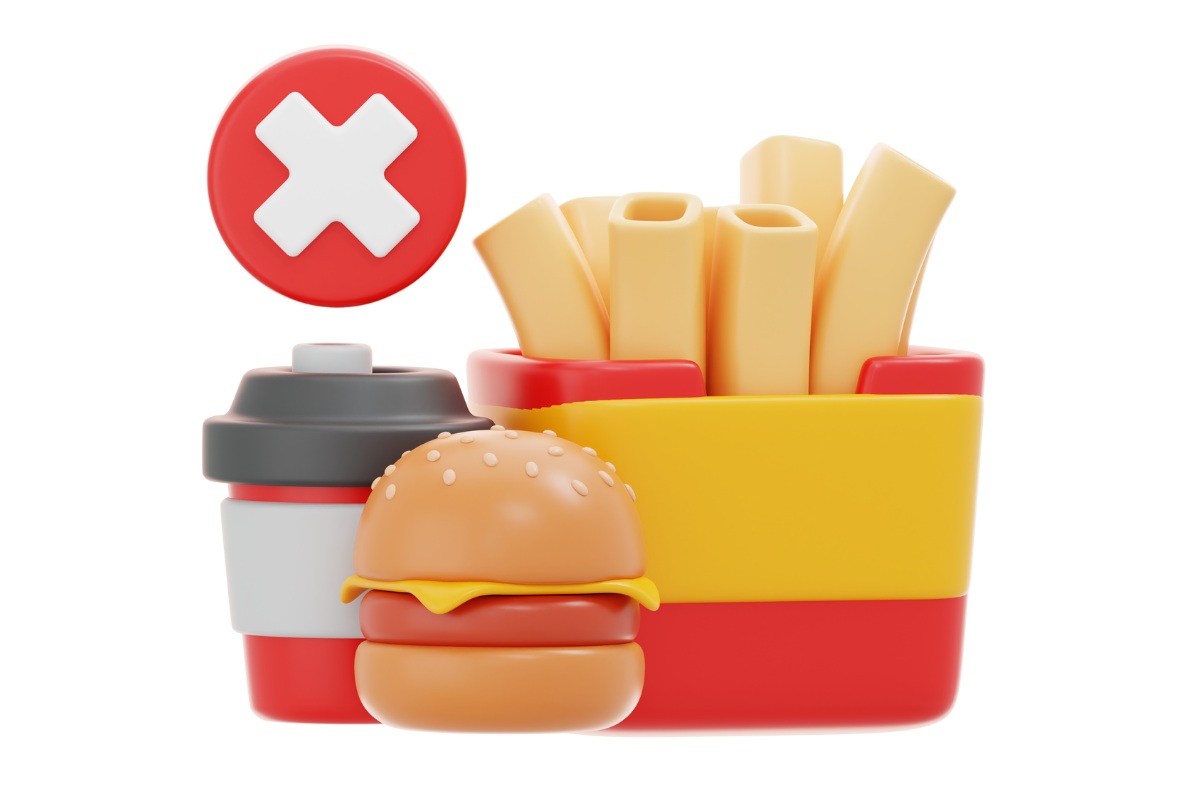
Dirty keto focuses on macros only, not food quality.
Dirty Keto Core Principles
-
Stay under carb limits
-
Fat and protein sources don’t matter
-
Calories often ignored
Common Dirty Keto Foods
-
Processed meats
-
Fast food without buns
-
Artificial sweeteners
-
Refined seed oils
-
Keto-labeled snacks
You can remain in ketosis eating these foods—but ketosis is not the same as health.
Clean Keto vs Dirty Keto: Key Differences
| Factor | Clean Keto | Dirty Keto |
|---|---|---|
| Food quality | High | Low |
| Inflammation | Lower | Higher |
| Micronutrients | Adequate | Often deficient |
| Gut health | Supported | Often disrupted |
| Sustainability | High | Low |
| Long-term health | Improved | Compromised |
Does Food Quality Matter on Keto? (Short Answer: Yes)
Ketosis is a metabolic state—not a nutritional guarantee.
Why Food Quality Matters
-
Hormones respond to nutrients, not just macros
-
Inflammation affects insulin sensitivity
-
Gut health impacts hunger and immunity
-
Micronutrient deficiencies stall fat loss
You can lose weight on dirty keto—but it often comes with:
-
Fatigue
-
Plateaus
-
Digestive issues
-
Cravings
-
Hormonal disruption
👉 Related read: Can Hormones Sabotage Your Diet? What Science Says
Fat Loss: Clean Keto vs Dirty Keto
Short-Term
-
Both may cause rapid weight loss
-
Mostly water weight initially
Long-Term
-
Clean keto supports steady fat loss
-
Dirty keto often leads to plateaus
Why? Because inflammation and nutrient gaps interfere with metabolism.
👉 Related article: Keto Plateaus Explained: Why Weight Loss Stops
Hormones and Inflammation: The Hidden Difference
Clean Keto Benefits
-
Stable insulin response
-
Better leptin sensitivity
-
Lower cortisol levels
Dirty Keto Risks
-
Chronic inflammation
-
Increased oxidative stress
-
Hormonal resistance
Hormones don’t respond well to ultra-processed foods—even if carbs are low.
Gut Health on Clean vs Dirty Keto
Your gut bacteria influence:
-
Hunger
-
Digestion
-
Immune health
-
Mental clarity
Clean Keto Supports Gut Health By:
-
Providing fiber
-
Reducing additives
-
Supporting microbial diversity
Dirty Keto Often Harms It Through:
-
Artificial sweeteners
-
Emulsifiers
-
Lack of fiber
Poor gut health often shows up as bloating, cravings, or fatigue.
👉 Related read: Signs Your Diet Doesn’t Match Your Body Type
Performance and Energy Levels
Clean Keto
-
More stable energy
-
Better workout recovery
-
Improved focus
Dirty Keto
-
Energy crashes
-
Poor exercise performance
-
Brain fog
Food quality influences mitochondrial efficiency—not just carb intake.
Sustainability: Which One Lasts?
Dirty keto may feel easier at first—but it’s harder to maintain.
Why Dirty Keto Fails Long-Term
-
Cravings increase
-
Digestion worsens
-
Nutrient deficiencies accumulate
-
Social eating becomes harder
Clean keto offers flexibility and longevity.
Sustainable keto is boringly consistent—not extreme.
Can You Mix Clean and Dirty Keto?
Yes—with intention.
Practical Approach
-
Clean keto as your base
-
Occasional convenience foods
-
Prioritize protein and whole foods
-
Avoid daily reliance on processed keto snacks
Perfection is not required—patterns matter more than moments.
Who Should Avoid Dirty Keto Completely?
-
Hormone-sensitive individuals
-
Those with insulin resistance
-
People with gut issues
-
Long-term keto followers
For these groups, food quality is not optional—it’s foundational.
How My Diet Way Approaches Clean Keto
At My Diet Way, we teach keto as a nutritional strategy, not a loophole.
Our approach emphasizes:
-
Whole-food keto foundations
-
Hormone-friendly nutrition
-
Real-life flexibility
-
Long-term metabolic health
🌿 Learn more at: https://mydietway.com/
Frequently Asked Questions (FAQ)
Can dirty keto still cause weight loss?
Short-term, yes. Long-term, it often stalls or reverses progress.
Is clean keto more expensive?
Not necessarily—simple whole foods often cost less than keto snacks.
Do artificial sweeteners break keto?
They may not raise carbs, but they can affect insulin and cravings.
Is clean keto necessary for ketosis?
No—but it’s important for health, hormones, and sustainability.
Which is better for beginners?
Clean keto creates better habits from the start.
Final Thoughts
So—clean keto vs dirty keto: does food quality matter?
Absolutely.
Ketosis is just the starting point. Food quality determines how you feel, how long keto works, and whether results last. Clean keto isn’t about being perfect—it’s about giving your body what it needs to thrive while in ketosis.
Master keto by respecting your biology, not hacking it.
That’s the heart of Keto Diet Mastery at My Diet Way 🥑
Resources
Here are 4 high-quality, authoritative resources you can use to support and reference your article “Clean Keto vs Dirty Keto: Does Food Quality Matter?”
These sources strengthen E-E-A-T, SEO credibility, and scientific trust.
✅ 1. Harvard Health – Ketogenic Diet: Benefits and Risks
Explains why food quality, fat sources, and nutrient density matter on keto—not just carb reduction.
🔗 https://www.health.harvard.edu/staying-healthy/should-you-try-the-keto-diet
✅ 2. Healthline – Clean Keto vs Dirty Keto
Directly compares clean and dirty keto, including inflammation, processed foods, and long-term sustainability.
🔗 https://www.healthline.com/nutrition/clean-keto-vs-dirty-keto
✅ 3. Journal of Nutrition – Dietary Fat Quality and Metabolic Health
Scientific review showing how fat quality affects insulin sensitivity, inflammation, and metabolic outcomes.
🔗 https://academic.oup.com/jn/article/150/9/2347/5863698
✅ 4. Cleveland Clinic – Ketogenic Diet and Health Effects
Medical perspective on why whole foods, micronutrients, and fiber matter on low-carb diets.